

Why Weight Loss Becomes Harder After 50
If you’re over 50 and finding that weight loss feels harder than it did before, you’re not alone, and you’re certainly not imagining it.
Many people reach this stage of life feeling frustrated because:
- The same dieting habits no longer work
- Exercise doesn’t shift the scale like it once did
- Weight seems to settle around the middle
- Energy levels aren’t what they used to be
Whereas previously simply cutting out sugar resulted in good weight loss.
We find that early in the year, this can feel even more noticeable. And is especially so when the weather is warm and clothes fit differently.
The important thing to know is this:
Weight gain after 50 is not a failure of willpower.
It’s usually a sign that your body’s needs have changed.
Why this happens
As we age, natural changes occur in hormones, metabolism, digestion and stress response. These changes can influence how the body stores fat, uses energy and responds to food and exercise.
Understanding what’s happening beneath the surface is often the first step toward making progress again.
Common contributing factors
1. Hormonal changes
For women, menopause and perimenopause bring changes in oestrogen and progesterone that influence:
Fat distribution (particularly abdominal weight)
Insulin sensitivity
Appetite and cravings
Sleep quality
For men, gradual testosterone decline can also affect muscle mass, metabolism and fat storage.
These hormonal shifts can make it easier to gain weight — and harder to lose it — even if your diet hasn’t changed much.
2. Changes in metabolism or muscle mass
Metabolism does slow slightly with age, but the bigger issue is often loss of muscle mass.
Muscle tissue burns more energy than fat tissue. As muscle mass decreases:
- Your resting metabolic rate drops
- Calories are stored more readily
- Weight loss requires a different strategy than before
This is why “eat less and exercise more” often stops working after 50.
3. Stress, sleep or lifestyle pressures
Life after 50 is rarely less stressful. Many people are juggling:
- Work or business pressures
- Family responsibilities
- Caring for ageing parents
- Health concerns
- Poor sleep
Chronic stress raises cortisol, a hormone that encourages fat storage — especially around the abdomen — and increases cravings for quick energy foods.
4. Blood sugar and insulin resistance
Weight gain after 50 is frequently linked to subtle changes in blood sugar regulation.
You may notice:
- Energy crashes mid-afternoon
- Cravings for sweet or starchy foods
- Difficulty losing weight despite “healthy eating”
These can all point to insulin resistance, which makes fat loss more difficult until it’s properly addressed.
Why common approaches don’t always work
Many people respond by trying to eat less, exercise more or follow stricter plans. While this can work earlier in life, it may become less effective — or even counterproductive — over time.
So, what worked at 35 can actively work against you at 55.This is often why people feel stuck despite their best efforts.
What actually helps with weight loss after 50
Sustainable weight loss after 50 requires a different approach, one that works with your physiology, not against it.
Hormonal support
Balancing blood sugar, supporting adrenal function and addressing menopausal changes can make a significant difference.
Preserving and rebuilding muscle
Gentle strength training and adequate protein intake help protect metabolism and improve body composition.
Gut health support
Digestive health influences inflammation, hormone metabolism and nutrient absorption — all key factors in weight regulation.
Reducing inflammation
Low-grade inflammation is common with age and can interfere with fat loss, energy levels and insulin sensitivity.
Personalised nutrition
There is no one-size-fits-all plan. What supports weight loss for one person may stall progress for another.
Small, well-targeted changes often make a bigger difference than extreme measures.
When to seek professional support
If weight loss feels harder than it used to despite your best efforts, it may be time to look beyond calories and exercise.
A personalised approach can help identify:
Hormonal imbalances
Blood sugar issues
Nutritional deficiencies
Stress patterns affecting weight
The most suitable weight-loss strategy for your body
A gentle next step
If this sounds familiar, your body is simply asking for a different kind of support.
A personalised consultation can help uncover what’s holding your weight loss back and guide you toward a realistic, sustainable plan.
Book an initial consultation to gain clarity and a plan tailored to your body’s current needs.
Simply Click Here to make a booking
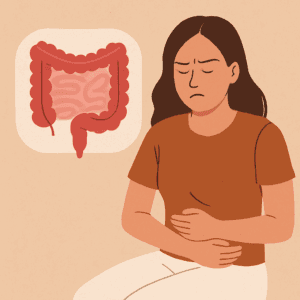



 Stress is a biochemical reaction to something that is perceived to be threatening, it allows the body to shut down unneeded processes, such as digestion and reproduction, to allow it to focus more on controlling life preservation. Increased heart rate, faster breath, muscle tension, and blood pressure rises to allow faster oxygen delivery to the body’s cells.
 Withania somnifera
 Diet is key to a healthy, happy mind and body – stress, poor sleep, high toxic load, and poor-quality foods all contribute to increases in the body’s inflammatory response. Many of which lead to poor immunity, sleep difficulties, brain fog, digestive upset and menstrual irregularities among others.
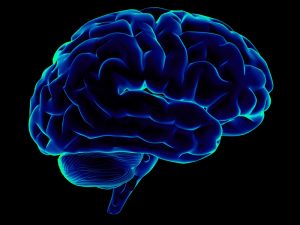 The lymph is an irrigation system for the brain, it facilitates the elimination of toxins from the cerebrospinal fluid which bathes our brain. Links have been made to metabolic waste and the decline in memory and cognitive function.
 Detoxification has been a buzz word for years now, with many companies promoting it as an effective way to improve health and wellbeing. Whilst it is beneficial to eliminate waste from our bodies and improve its function, we also benefit from reducing our exposure to harmful chemicals. The toxic build-up is linked to brain fog, poor cognition, and sleep difficulties. It can be easy to become overwhelmed and feel as though your best bet is to live in a bubble, but for many, there are some simple changes you can make that can impact on your toxic load.
 Plastic bottles; while many of us feel we are doing our part to save the planet
  Poor sleep and lack of social connection do compromise the sense of mental and emotional wellbeing and increase inflammation in the brain and the body.
 2. Eat lots of colourful fruits and vegetables. These colourful superfoods are loaded with brain boosting compounds like phytonutrients. The dark, deep reds, yellows, oranges, greens and blues mean that these foods contain powerful anti-inflammatory, detoxifying antioxidants and energy boosting, brain-powering molecules. Enjoy an array of colourful plant foods like blueberries and dark leafy greens including kale, swiss chard, spinach, watercress, bok-choy and rocket (organic if possible, to avoid the harming effects of pesticides and herbicides).
 7. Beat the stress. Chronic stress has been shown to reduce the size of the brain, particularly the region called the hippocampus, responsible for recall and memory. Stress undermines the function of the thyroid gland and dysregulates blood sugar. Stress management with yoga, meditative practices or psychotherapy, can support the healing process. You can begin with something as simple as listening to a guided meditation for several minutes a day and working up to twenty minutes twice a day for a therapeutic effect that activates the relaxation response.