
Posts

Why Am I Bloated Even When I Eat Healthy?

“I’m eating all the right foods… so why am I still bloated?”

If you’ve ever asked yourself this question, you’re certainly not alone.

In fact, it’s one of the most common things I hear in clinic.

People often say to me,

“Glenda, I just don’t understand it. My husband eats pies, chips and takeaway and never gets bloated. I eat salads and vegetables, and I’m the one who ends up looking six months pregnant by the end of the day!”

If that sounds familiar, I completely understand your frustration.

The encouraging news is that eating healthy doesn’t always mean your digestive system is functioning as well as it could. Sometimes it’s not the food that’s the problem—it’s the way your body is digesting it.

Let’s look at some of the reasons why healthy foods can sometimes leave you feeling bloated.


“But I’m Eating Lots of Salad!”

Many people assume that if they’re eating plenty of salads and vegetables, their digestion should be perfect.

Surprisingly, that’s not always the case.

Some of the healthiest foods contain natural fibres and carbohydrates that can be difficult for some people to digest.

Foods like:

  • Broccoli
  • Cauliflower
  • Cabbage
  • Onions
  • Garlic
  • Apples
  • Pears
  • Chickpeas
  • Lentils

are packed with nutrients and are excellent foods for most people.

However, if your digestive system isn’t working efficiently, these foods may be fermented by bacteria in the bowel, producing gas and leaving you feeling bloated.

This doesn’t mean these foods are “bad.” It simply means your digestive system may need a little extra support.


“Could Healthy Vegetables Be Making Me Bloated?”

This is another question I’m asked regularly.

The answer is… they can.

Vegetables are rich in fibre, which is wonderful for bowel health.

But some vegetables also naturally produce more gas during digestion than others.

That’s why people often tell me they feel perfectly comfortable after breakfast, but by lunchtime or dinner their stomach feels tight, uncomfortable and swollen.

Rather than avoiding vegetables altogether, it’s worth finding out why your body is reacting this way.


“Am I Eating Too Much Fibre?”

Fibre is incredibly important for good health.

However, increasing your fibre intake too quickly can sometimes have the opposite effect.

If you’ve recently started eating more:

  • Salads
  • Bran cereals
  • Legumes
  • Seeds
  • Raw vegetables

your digestive system may simply need time to adjust.

Introducing these foods gradually and drinking plenty of water can often make a big difference.


“Could It Be the Way I’m Eating?”

One thing we don’t often think about is how we eat.

Many of us eat lunch while working, driving or rushing from one thing to the next.

Eating too quickly can mean:

  • Swallowing excess air
  • Not chewing food properly
  • Making digestion harder than it needs to be

Sometimes slowing down, chewing thoroughly and eating more mindfully can noticeably improve bloating.


“Could Stress Be Affecting My Digestion?”

Absolutely.

The digestive system and the brain are closely connected.

When we’re stressed, our body naturally prioritises dealing with that stress rather than digesting food.

As a result, digestion may slow down, leaving food sitting in the digestive system for longer than it should.

This can contribute to bloating, discomfort and changes in bowel habits.

It’s one of the reasons why many people notice their digestive symptoms become worse during busy or stressful periods.


“So If It’s Not the Food, What Is It?”

This is where things become interesting.

Healthy food is rarely the problem on its own.

Often, ongoing bloating is your body’s way of telling you that something else may need attention.

Over the years, I’ve found there can be many different reasons why someone experiences bloating, even when they’re eating well.

Sometimes it’s the way the digestive system is functioning.

Sometimes it’s related to the balance of bacteria in the gut.

Sometimes certain foods simply aren’t being digested as efficiently as they could be.

The important thing is not to guess.

Finding the underlying cause is often the key to improving your symptoms.


“When Should I Seek Help?”

Occasional bloating after a large meal is quite normal.

However, if you’re feeling bloated most days, after nearly every meal, or your symptoms are affecting your confidence or quality of life, it’s worth finding out why.

Many people simply put up with bloating for years because they think it’s normal.

In my experience, it often isn’t.

One of the most rewarding parts of my job is seeing the relief on someone’s face when they finally understand why they’ve been feeling bloated for so long.

Once we identify what’s contributing to the problem, many people discover they don’t have to simply live with it.


The Bottom Line

If you’re wondering why you’re bloated even though you’re eating healthy, remember that healthy food isn’t always the problem.

Sometimes it’s the way your digestive system is responding to that food.

The good news is that there are usually answers—and once you understand what’s behind your symptoms, you can begin taking steps towards feeling more comfortable again.


How We May Be Able to Help

At Your Wellness Centre in Ringwood North, I’ve been helping people with digestive problems, bloating and gut health concerns for many years.

Every person is different, so rather than offering a one-size-fits-all approach, I take the time to understand your symptoms, your health history and your lifestyle to help identify possible underlying causes.

If you’re tired of feeling bloated despite eating well, I’d love to help you understand what your body may be trying to tell you.

Book an Initial Consultation

And together we’ll start looking for the underlying cause of your bloating.
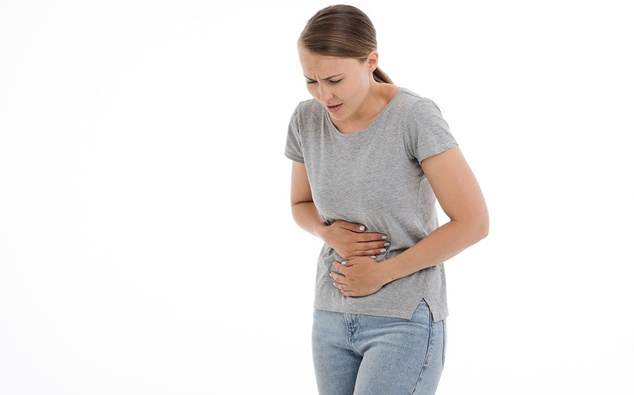
Abdominal Cramping, Bloating, Flatulence, Constipation, and Diarrhoea

Since we often see clients who have abdominal cramps along with either bloating, constipation, diarrhoea or flatulence, we thought we’d look at the connection between abdominal cramps and these types of digestive issues.

We’ll start by looking at your stomach which is one of the hardest working systems in your body.
The action of your stomach is to digest food and extract nutrients to sustain you.
However, if something disturbs this, digestive symptoms such as those mentioned above can result.

While many of these are normal, others may indicate something more serious.
Understanding these symptoms and their implications is important for maintaining overall wellness.


Bloating Flatulence Constipation Diarrhoea - Your Wellness Centre Naturopathy

Normal, Everyday Symptoms:

Transient Belly Bloating

Occasional bloating, which is a sensation of fullness or swelling in the abdomen can result from dietary changes or larger meal portions, leading to trapped gas. Chewing food thoroughly, having smaller meals, and aiming for a moderate carbohydrate and fibre intake can help reduce bloating.

Flatulence

Passing gas is normal, and is influenced by diet and gut bacteria. Moderating intake of certain foods, particularly, refined processed foods can reduce flatulence.


Health Caution - Your Wellness Centre Naturopathy

Symptoms That Require Attention:

Chronic Constipation

Infrequent bowel movements and difficulty passing stools often accompanied by discomfort, may indicate insufficient fibre intake or dysbiosis (an imbalance in the types and levels of gut bacteria).

Additionally, chronic constipation is associated with irritable bowel syndrome (IBS), a condition that affects the function of the bowel.
Increasing fibre-rich foods, including fruit and vegetables, and drink enough water, as well as prebiotic and probiotic supplements can aid in relieving constipation.

Diarrhoea

Frequent, loose or watery stools that occurs more than three times daily may mean infection or conditions like irritable bowel syndrome (IBS) or inflammatory bowel disease (IBD).
Seeking professional diagnosis and treatment is required for managing these conditions.
However, if your symptoms are associated with antibiotic use, we supply Metagenics Ultra Flora Intensive Care, which may help to restore healthy intestinal bacteria and relieve diarrhoea.

Malodorous Gas

Imbalances in gut bacteria can lead to smelly gas. Probiotic supplements containing specific strains may help restore a healthy balance.


Gut Pain - Your Wellness Centre Naturopathy

Abdominal Cramps or Pain

Sharp, dull, stabbing, cramp-like, or twisting pain in your abdomen.
Different types of abdominal pain can have various causes, the most common being gas pain, food intolerances or allergies, or indigestion. Abdominal pain can also be a sign of something more serious, including appendicitis, gallstones, ulcers, infections, kidney stones. Persistent or severe abdominal pain needs to be addressed by a healthcare professional.


The Connection Between Abdominal Cramps and Digestive Symptoms

Abdominal Cramps often occurs together with one of these: Bloating, Constipation, Diarrhoea, or Flatulence.

Abdominal Cramps and Bloating: Bloating, characterised by abdominal swelling, often accompanies abdominal cramps due to trapped gas in the digestive system. Dietary choices and underlying digestive issues can contribute to both symptoms.

Abdominal Cramps and Constipation: Infrequent bowel movements and difficulty passing stools are common issues associated with abdominal cramps. Insufficient fibre intake and poor bowel habits can exacerbate both constipation and cramping.

Abdominal Cramps and Diarrhoea: Loose stools and frequent bowel movements often coincide with abdominal cramps, indicating disturbances in the digestive system. Infections, dietary triggers, and gastrointestinal conditions can contribute to both symptoms.

Abdominal Cramps and Flatulence: Excessive gas production and abdominal cramps can occur due to imbalances in gut bacteria and dietary factors. Managing flatulence often involves dietary modifications and addressing underlying gut health issues.

Identifying Common Causes and Effective Management Strategies

As mentioned above, several factors contribute to the development of abdominal cramps, bloating, constipation, diarrhoea, and flatulence.
Dietary triggers such as high-fat foods, food intolerances, and excessive consumption of gas-producing foods can aggravate digestive discomfort.
Additionally, lifestyle factors like stress, inadequate hydration, and sedentary habits can impact digestive function and contribute to cramping.

The Impact of Gut Health:

Maintaining a healthy gut microbiome is important for digestive health and overall well-being. Imbalances in gut bacteria, known as dysbiosis, can disrupt digestive processes and contribute to symptoms like abdominal cramps, bloating, constipation, and diarrhoea.
Supporting gut health with probiotics, prebiotics, and dietary modifications can help restore balance and reduce symptoms.

Managing abdominal cramps and their associated symptoms requires an approach tailored to individual needs.
Dietary modifications, such as increasing fibre intake, staying hydrated, and avoiding trigger foods, can help alleviate digestive discomfort.
Probiotic supplements, digestive enzymes, and lifestyle changes like stress management and regular exercise can also support digestive health and reduce cramping.

Seeking Professional Guidance

Persistent or severe symptoms accompanied by other warning signs need professional treatment. Diagnostic tests can help identify underlying causes and lead to appropriate treatment options, ensuring personalised care for individuals experiencing digestive discomfort.

Conclusion

Understanding the connection between abdominal cramps and digestive symptoms is crucial for effective management and overall gut health. By addressing dietary, lifestyle, and gut health factors, individuals can alleviate symptoms and improve their quality of life.

Remember to consult a healthcare practitioner at Your Wellness Centre for personalised professional guidance and optimal digestive wellness.

If you regularly experience one or more problematic symptoms, particularly if they’re new or getting worse, consult with a Natural Health Practitioner at Your Wellness Centre for further investigation to devise an individualized comprehensive plan of attack that is suitable for you.

Our healthcare practitioners have a suite of testing available to investigate the driver behind your symptoms.

A stool analysis test enables us to identify all of the bacteria and other microorganisms that inhabit your gut and how they contribute to your gut function and digestive symptoms.

You can read more about MetaBiome™ testing here.


Your Wellness Centre Naturopathy Melbourne