
Why Am I Bloated Even When I Eat Healthy?
“I’m eating all the right foods… so why am I still bloated?”
If you’ve ever asked yourself this question, you’re certainly not alone.
In fact, it’s one of the most common things I hear in clinic.
People often say to me,
“Glenda, I just don’t understand it. My husband eats pies, chips and takeaway and never gets bloated. I eat salads and vegetables, and I’m the one who ends up looking six months pregnant by the end of the day!”
If that sounds familiar, I completely understand your frustration.
The encouraging news is that eating healthy doesn’t always mean your digestive system is functioning as well as it could. Sometimes it’s not the food that’s the problem—it’s the way your body is digesting it.
Let’s look at some of the reasons why healthy foods can sometimes leave you feeling bloated.
“But I’m Eating Lots of Salad!”
Many people assume that if they’re eating plenty of salads and vegetables, their digestion should be perfect.
Surprisingly, that’s not always the case.
Some of the healthiest foods contain natural fibres and carbohydrates that can be difficult for some people to digest.
Foods like:
- Broccoli
- Cauliflower
- Cabbage
- Onions
- Garlic
- Apples
- Pears
- Chickpeas
- Lentils
are packed with nutrients and are excellent foods for most people.
However, if your digestive system isn’t working efficiently, these foods may be fermented by bacteria in the bowel, producing gas and leaving you feeling bloated.
This doesn’t mean these foods are “bad.” It simply means your digestive system may need a little extra support.
“Could Healthy Vegetables Be Making Me Bloated?”
This is another question I’m asked regularly.
The answer is… they can.
Vegetables are rich in fibre, which is wonderful for bowel health.
But some vegetables also naturally produce more gas during digestion than others.
That’s why people often tell me they feel perfectly comfortable after breakfast, but by lunchtime or dinner their stomach feels tight, uncomfortable and swollen.
Rather than avoiding vegetables altogether, it’s worth finding out why your body is reacting this way.
“Am I Eating Too Much Fibre?”
Fibre is incredibly important for good health.
However, increasing your fibre intake too quickly can sometimes have the opposite effect.
If you’ve recently started eating more:
- Salads
- Bran cereals
- Legumes
- Seeds
- Raw vegetables
your digestive system may simply need time to adjust.
Introducing these foods gradually and drinking plenty of water can often make a big difference.
“Could It Be the Way I’m Eating?”
One thing we don’t often think about is how we eat.
Many of us eat lunch while working, driving or rushing from one thing to the next.
Eating too quickly can mean:
- Swallowing excess air
- Not chewing food properly
- Making digestion harder than it needs to be
Sometimes slowing down, chewing thoroughly and eating more mindfully can noticeably improve bloating.
“Could Stress Be Affecting My Digestion?”
Absolutely.
The digestive system and the brain are closely connected.
When we’re stressed, our body naturally prioritises dealing with that stress rather than digesting food.
As a result, digestion may slow down, leaving food sitting in the digestive system for longer than it should.
This can contribute to bloating, discomfort and changes in bowel habits.
It’s one of the reasons why many people notice their digestive symptoms become worse during busy or stressful periods.
“So If It’s Not the Food, What Is It?”
This is where things become interesting.
Healthy food is rarely the problem on its own.
Often, ongoing bloating is your body’s way of telling you that something else may need attention.
Over the years, I’ve found there can be many different reasons why someone experiences bloating, even when they’re eating well.
Sometimes it’s the way the digestive system is functioning.
Sometimes it’s related to the balance of bacteria in the gut.
Sometimes certain foods simply aren’t being digested as efficiently as they could be.
The important thing is not to guess.
Finding the underlying cause is often the key to improving your symptoms.
“When Should I Seek Help?”
Occasional bloating after a large meal is quite normal.
However, if you’re feeling bloated most days, after nearly every meal, or your symptoms are affecting your confidence or quality of life, it’s worth finding out why.
Many people simply put up with bloating for years because they think it’s normal.
In my experience, it often isn’t.
One of the most rewarding parts of my job is seeing the relief on someone’s face when they finally understand why they’ve been feeling bloated for so long.
Once we identify what’s contributing to the problem, many people discover they don’t have to simply live with it.
The Bottom Line
If you’re wondering why you’re bloated even though you’re eating healthy, remember that healthy food isn’t always the problem.
Sometimes it’s the way your digestive system is responding to that food.
The good news is that there are usually answers—and once you understand what’s behind your symptoms, you can begin taking steps towards feeling more comfortable again.
How We May Be Able to Help
At Your Wellness Centre in Ringwood North, I’ve been helping people with digestive problems, bloating and gut health concerns for many years.
Every person is different, so rather than offering a one-size-fits-all approach, I take the time to understand your symptoms, your health history and your lifestyle to help identify possible underlying causes.
If you’re tired of feeling bloated despite eating well, I’d love to help you understand what your body may be trying to tell you.
And together we’ll start looking for the underlying cause of your bloating.

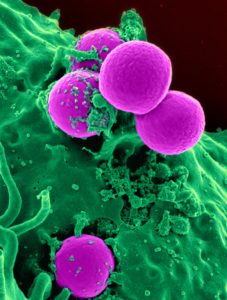













 But, if your gut microbiome (or gut ecosystem) is not as good as it could be and needs a little attention, life in general and even your waistline may be quite uncomfortable.
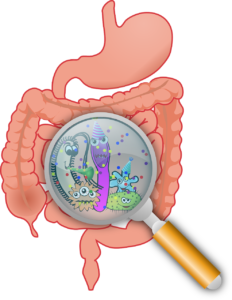 Dysbiosis and bloating have also been linked with digestive disorders such as